
BriefBusiness

What Matters Most in Today's Competitive Business Education Landscape
N
Read full storyNews 18
Original source
news18
Check live status on DownRightNow
What Matters Most in Today's Competitive Business Education Landscape
News 18
Original source
news18
Check live status on DownRightNow

The Eastern Montana Fair generated more than $42,000 in gate and vendor revenue, while its headline concert and motorcycle stunt show came closer to covering their costs than fair organizers initially expected.

The soft machinery orders print undercuts the case for near term Bank of Japan tightening, as a weaker leading capex signal suggests the investment side of the economy may be losing steam just as the BoJ weighs its next move on policy normalisation. I suspect, along with most everyone else that a rate hike this week is baked in: Preview: Goldman Sachs sees yen and Nikkei risk building on faster BoJ rate path That argues for a more cautious central bank stance, potentially delaying any further rate hike, perhaps in December. At the same time, the wider than expected trade deficit, driven by import costs continuing to outpace export growth, keeps imported inflation pressure in the mix, a factor the BoJ will not want to dismiss even as growth signals soften. This creates a genuine policy tension for the central bank between a cooling investment outlook and persistent cost push inflation from the import side. The yen has so far shown limited reaction to the data, softening a little, but a Bank of Japan viewed as more hesitant to hike could weigh on the currency over time, while continued yen softness would in turn keep import costs elevated and reinforce the same trade deficit dynamic. For the Nikkei, a more dovish BoJ read would typically be supportive, cheaper yen and lower rates have historically favoured Japanese exporters and equities more broadly, though the weaker capex signal is a mild offset for sectors tied to domestic business investment. - A soft capex signal and a wider trade gap give Japan's economic picture a slightly cautious tilt this week, even as both imports and exports beat forecasts individually. Summary: Japanese core machinery orders fell 3.7% month on month in July, missing forecasts for a 2.8% decline and reversing a 9.7% rise the previous month On an annual basis, machinery orders rose 11.2%, below the 15.3% forecast and down from 16.9% previously Japan's August trade balance showed a deficit of 1105.6 billion yen, wider than the 1052.6 billion yen expected and well above July's 638.3 billion yen shortfall Imports rose 28.0% year on year in August, ahead of the 26.3% forecast though only slightly above July's 27.9% pace Exports rose 19.3% year on year, ahead of the 18.2% forecast but a clear slowdown from July's 23.2% growth rate The combination of a weaker leading capex indicator and a widening trade deficit presents a mixed picture for the world's fourth largest economy Japan's latest economic data presented a mixed picture on Tuesday, with a key leading indicator for business investment falling well short of expectations while the country's trade deficit widened more than forecast, driven by import growth that continued to outpace exports. Core machinery orders, a closely watched gauge of future capital expenditure, fell 3.7% in July from the previous month, against expectations for a 2.8% decline and reversing a 9.7% increase in June. On a year on year basis, orders rose 11.2%, below the 15.3% pace expected by economists and a step down from June's 16.9% growth. The indicator tends to lead actual capex spending by several months, so the miss raises questions about the durability of Japan's recent investment momentum, even as the broader trend has remained positive over the past year. Separately, Japan's trade balance for August showed a deficit of 1105.6 billion yen, wider than the 1052.6 billion yen shortfall economists had forecast and a sharp deterioration from July's 638.3 billion yen deficit. The widening gap was driven primarily by imports, which grew 28.0% year on year, ahead of forecasts for 26.3% growth though only marginally faster than July's already elevated 27.9% pace. Exports also beat expectations, rising 19.3% against a forecast of 18.2%, but that represented a clear slowdown from July's 23.2% growth rate, suggesting external demand for Japanese goods may be losing some momentum even as it remains historically solid. Taken together, the data complicate the picture for policymakers at the Bank of Japan, who have been weighing the pace of further monetary policy normalisation. A softer capex signal argues for a more cautious approach to tightening, while a trade deficit driven by elevated import costs, likely reflecting energy and raw material prices, keeps some inflationary pressure in the pipeline that the central bank cannot fully ignore. Investors will be watching upcoming data releases closely to determine whether this week's figures represent a temporary soft patch or the start of a more sustained slowdown in Japan's investment and trade momentum. This article was written by Eamonn Sheridan at investinglive.com.
Reform urges Healey to save £100bn by stopping sale of bonds The Telegraph Bank of England urged to slow or halt bond-selling to slash UK borrowing costs The Guardian Bank of England set to stop selling long-dated gilts, Telegraph reports Reuters BOE Plans to Stop Long-Dated Bond Sales, Report Says Bloomberg.com Should the Bank of England sell gilts when yields are so high? The Times
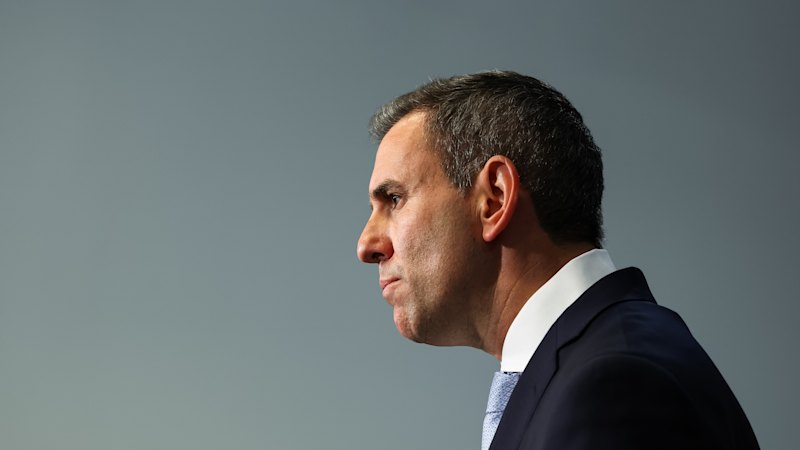
As the prime minister and treasurer work to calm the fears of MPs worried about rate rises and inflation, MPs are expressing their growing unease.
Headlines and briefs on this site are for information only. Always verify details on the original source or live status page.
Read Disclaimer