

Eight weeks of books changed the physical structure of children's brains. The evidence for what reading does has never been stronger, arriving precisely as the habit collapses.
T
Read full storyTimes Now News
Original source
Eight weeks of books changed the physical structure of children's brains. The evidence for what reading does has never been stronger, arriving precisely as the habit collapses.
Times Now News
Original source

Whether you’re a job seeker, employer, career changer, young person or new to the Berkshires, fall is a great time to reconnect with the opportunities available in our community.

Check the MP Police Constable Syllabus 2026 for 7500 vacancies. Check the subject-wise topics, exam pattern, PET criteria, and preparation tips.
The Scooter Distribution Programme supports meritorious students by providing scooters to encourage higher education, improve mobility and promote academic excellence.
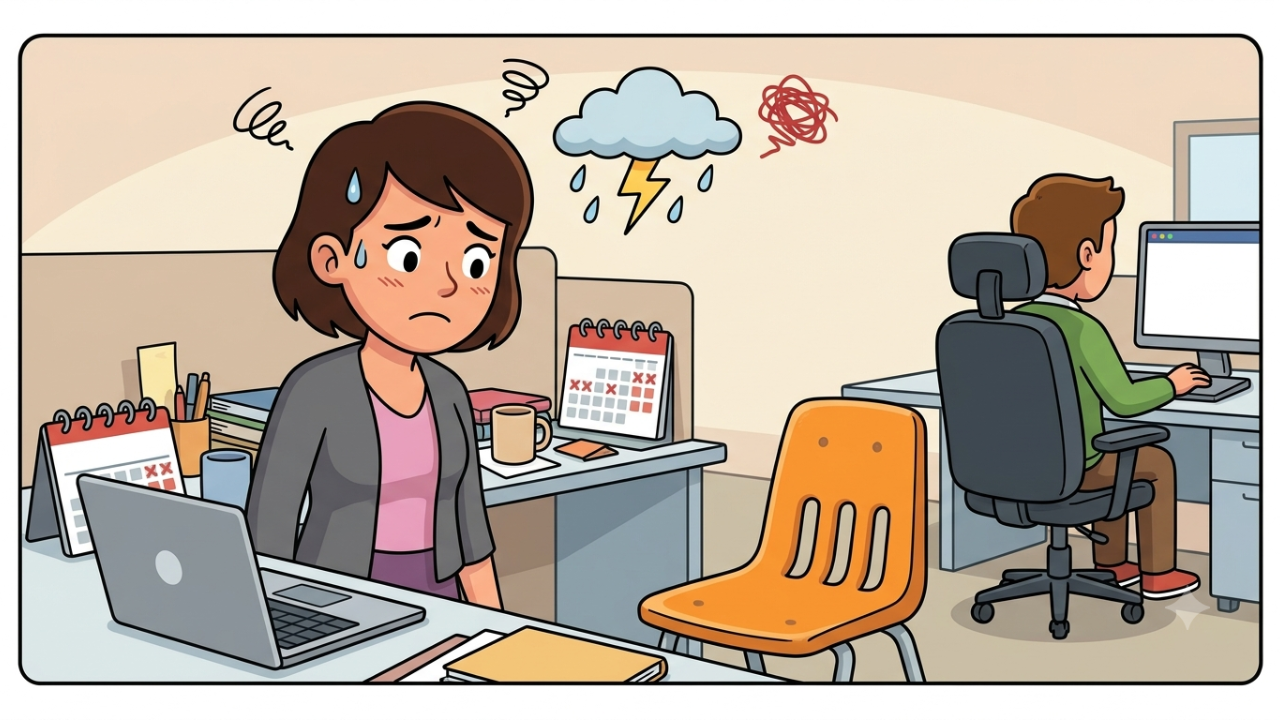
An office chair often serves as a trigger for established routines, creating a connection between the workspace and daily tasks. When another person takes this chair, it can disrupt this flow, leading to frustrations due to altered sequences and hindered choices. The brain becomes conditioned to link the chair with the initiation of the work day, showcasing its importance in maintaining productivity.
Headlines and briefs on this site are for information only. Always verify details on the original source or live status page.
Read Disclaimer