
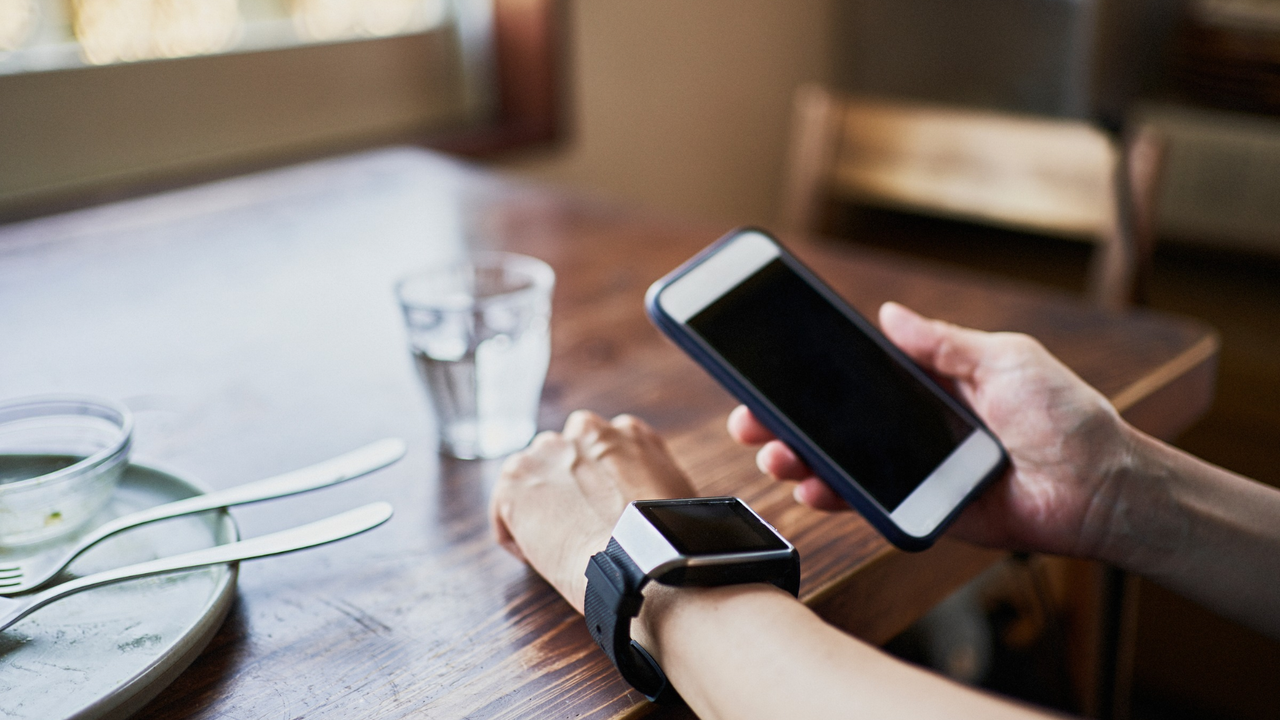
In a world of self-optimization, people are increasingly turning to technology like sleep trackers, smartwatches, and over-the-counter continuous glucose monitors to understand their health. No matter the health measures they intend to track, these wearable technologies share information while also telling you what you can do with it. With some consumers now paying direct attention to health feedback, wearables may take what felt like abstract and distant health consequences and root them in more immediate behavior change. OUTCOMES WHEN ENGAGING WITH YOUR OWN DATA Recent research published by the wearable brand WHOOP offers an intriguing glimpse of what that could look like. The peer-reviewed observational study included 12,678 new WHOOP users, followed for 72 weeks. During this time, the subjects’ reported daily tobacco use fell from 55.1% to 27.2%. Among participants who used tobacco at the beginning of the study and had follow-up data, 28.2% reported no tobacco use during the study’s final period. Interestingly, the study reported that people who engaged more consistently with their own data tended to reduce their tobacco use more than those who didn’t. And, not surprisingly, participants in the study who substantially reduced their tobacco use also experienced favorable changes in resting heart rate, respiratory rate, and sleep duration. There are caveats to interpreting findings from this study. Notably, the data do not establish that wearing the device caused people to reduce or quit tobacco use. Tobacco use was self-reported, and the study included tobacco broadly rather than separating cigarettes, vaping, cigars, or smokeless products. We also don’t know if or what type of cessation methods may have been deployed by those who reduced use. WEARABLES PLUS PROVEN SUPPORT Even with caveats, the research findings point toward potential opportunity. Connecting wearable brands with structured and proven-effective behavior change programs may help. Consider continuous glucose monitors. Research from 2023, where participants used the monitor and tracked food intake, body weight, and their physical activity, showed that modern technologies can potentially improve lifestyle interventions’ success. The study found that it can support metabolic health, ultimately helping prevent Type II diabetes at scale. When paired with structured diabetes prevention and lifetime coaching, the change in health can be measurable. Behavior change doesn’t come from only receiving information. People generally know they should exercise more. They know sleep matters. They know nicotine is addictive. Knowing something and acting on it are two different things. For some people, the missing ingredient may be self-monitoring and visual feedback; for others, it may be the guidance on how to make changes that visual feedback is prompting. Instead of thinking about how a change may affect your health one day, these types of technology directly and immediately illustrate the patterns between action and impact. THE FUTURE OF WEARABLES SUCCESS While wearables are not a replacement for evidence-based tobacco cessation support, they can be considered another tool in the behavior-change ecosystem. Imagine someone who wants to quit tobacco using a wearable alongside a proven cessation program. The program provides behavioral support, personalized strategies, and encouragement. The wearable provides another layer of direct feedback, helping the person recognize patterns in sleep, heart rate, stress, or other measures. Users can visualize how their choices correspond with changes in the body. That combination could make quitting feel less like a single, enormous decision and more like an ongoing process of experimentation, feedback, and adjustment. The next generation of digital health tools could combine behavioral science with continuous, personalized feedback to help people see the connection between everyday choices and how they feel. And that lesson extends to multiple health outcomes. Whether the goal is sleeping more, drinking less, exercising regularly, managing stress, or quitting any addictive behavior, wearables can give people a clearer view of the relationship between their choices and their health. Further connecting them with the support to help make those changes stick might be the magic to a lasting population health impact. Kathy Crosby is president and CEO of Truth Initiative.
Fast Company
Original source
